Lié Conversations / MARCH 2026
In conversation with Lola Fröbe
Meet Lola Fröbe – Berlin-based fashion and culture writer, spanning work for high-end German publications as well as freelance copywriting for fashion and lifestyle brands.
After years of shaping narratives for magazines and brands alike - blending cultural insight with an eye for style - she recently launched her own Substack, New Slang: a space where she writes about fashion from the inside out - the feelings, rituals, and quiet language of getting dressed, and how it expresses oneself. In this edition of LIÉ Conversations, we talk to Lola about how she finds inspiration, shapes her personal style, and approaches storytelling across her writing projects.


You’ve worked across different fields within writing and lived in different cities. How has your journey looked until now?
My path through fashion and writing has always been guided by curiosity – and maybe a touch of restlessness. I’ve never been one to stay in a role just because it looks good on paper; I’ve followed the things that make me feel creatively alive.
I started out in fashion PR, where I soon learned that a brand’s power lies not just in what it makes but also in the stories it tells. At the same time, I began freelancing as a journalist, writing about fashion, design and culture for titles like Vogue, L’Officiel, i-D, and Architectural Digest. Writing became my anchor, whether through a campaign concept or a long-form interview – I was drawn to how fashion reveals who we are and what we value. After a chapter at Vestiaire Collective, I moved to Copenhagen to join Stine Goya and eventually transitioned into consultancy and copywriting, developing brand and editorial work for clients like By Malene Birger. While there, I also contributed to Vogue Scandinavia, running my own column interviewing the region’s most inspiring creatives – a true Carrie Bradshaw moment and still one of my favorite projects to date.
Now back in Berlin, I split my time between brand strategy work and writing for Elle and Harper’s Bazaar. On my Substack, New Slang, I explore fashion, trends, and the thinking behind what we wear.

Where does your interest in writing come from?
My love for writing began early, back in school, somewhere between the lines of Goethe and Kafka. I was fascinated by how language could carry not just meaning, but emotion, and the way the unsaid could be as powerful as what’s written down. For someone naturally quiet and observant in a world where the loudest voice often wins, writing became a way to take up space in my own way – to linger, reflect, and find clarity in choosing words carefully. Over more than a decade, I’ve written about fashion in the very same way. Beneath the surface of hemlines and trends, I’ve always been drawn to what clothes reveal about us: our way of thinking, feeling, and belonging. To me, clothes aren’t just aesthetics but cultural architecture, shaping how we move through the world and how the world moves around us.
How do you define success – personally and professionally?
For me, success has never been about titles or milestones – it’s about how life feels. It’s being grounded in who you are, doing work that excites you, and being surrounded by people who make you better simply by being around them. It’s having space for the things that light you up, whether that’s writing, joining a pottery class, or taking a walk to reset your thoughts. Real success, to me, is alignment: living in a way that reflects your values instead of chasing someone else’s definition of achievement.


Where do you turn for inspiration when tackling new writing projects across different formats?
I draw inspiration from everywhere: fashion photography, art shows, films, books, music, even random conversations overheard at cafés. I love when something completely unrelated suddenly lights up a connection in my mind. Once, a song title sparked the concept for an entire fashion campaign. Those moments remind me that creativity rarely happens in isolation; it’s born from cross-pollination, from letting the outside world seep in. Immersing myself in different creative worlds helps me see patterns and stories I might never have found if I stayed in one lane.
How would you describe your aesthetic in three words?
Calm, minimalist, quirky – that pretty much sums me up. I’m drawn to spaces, fashion, and ideas that feel balanced and intentional, yet have something unexpected that catches you off guard. A bold texture, an odd detail, a wink. I like things that are composed but not too serious. People often tell me I have a calm energy, and I like pairing that with humor and warmth. The same goes for how I like to dress: think of it as minimalism with a hint of nonchalance.
Do you have a ritual or routine that helps you stay creatively focused or inspired?
Working part-time has become a great routine for me. I spend four days a week as a brand strategist, and Fridays are dedicated to my freelance work. That’s when I focus on writing, often from a café – I find that leaving the house helps spark my creative flow. I also try to build inspiration into those days: reading, researching, strolling through the city, or taking small creative breaks like going to the cinema, sewing, or meeting a friend for coffee. Fridays have become the most precious day of my week, the most important one, and the one I look forward to the most.

How does living in Berlin influence your perspective on fashion and culture, and how does it differ from Copenhagen, where you lived previously?
Living in Copenhagen really refined my sense of style. People there have such an innate appreciation for dressing well: playful, polished, and effortlessly put together. I loved how even the smallest moments felt intentional. Some friends found that intimidating, but for me it felt motivating and freeing. And the vintage shops – divine. Danish culture celebrates quality, design, and individuality in a way that feels deeply woven into everyday life, and that mindset stayed with me. Back in Berlin, I’ve found a different kind of inspiration. The city’s creative energy feels rawer and more spontaneous. I love visiting galleries, exhibitions, and small independent spaces that bring together so many perspectives and backgrounds; it keeps my imagination alive. The style on the streets is much rougher around the edges, but there’s beauty in that too; it’s expressive and unfiltered. My own aesthetic has grown more minimal and polished over time, but I still like that balance of structure and surprise, which feels very Berlin to me: grounded, thoughtful, and just a little unpredictable.
What’s your relationship with jewelry and accessories – do you have a piece that holds special meaning?
For me, jewelry and accessories are some of the most powerful tools in getting dressed. They have this magical ability to turn something simple into something considered – to take jeans and a white shirt and make them feel like you. A vintage ring, a sculptural earring, a well-worn leather bag: they're the details that carry your story over time. A truly good piece feels timeless; the kind of thing you’ll still reach for ten or twenty years from now without thinking twice. The piece that means the most to me is a ring my mom gave me a few years ago. She’d bought it for herself on a trip to Azerbaijan two decades earlier, carefully choosing it from a sea of glittering, ornate pieces. I remember thinking it was a bit kitschy when I was younger – white gold, a small diamond, intricate detailing on the sides – but now I find that’s exactly what makes it special. It’s her taste, her story, her moment, and wearing it feels like keeping a small part of her with me.

What inspired you to start your Substack, and what have you enjoyed most about creating a personal creative platform?
For me, success has never been about titles or milestones – it’s about how life feels. It’s being grounded in who you are, doing work that excites you, and being surrounded by people who make you better simply by being around them. It’s having space for the things that light you up, whether that’s writing, joining a pottery class, or taking a walk to reset your thoughts. Real success, to me, is alignment: living in a way that reflects your values instead of chasing someone else’s definition of achievement. It still took me a while to start. I worried no one would care what I had to say, but eventually I realized that growth only happens when you take the leap. The response has been incredibly heartwarming. The Substack community feels a bit like the early days of Instagram, when people posted for the sheer joy of sharing, before it all became about algorithms and perfection. There’s a real sense of openness and generosity. I’ve discovered so many inspiring voices there, and it truly feels like being part of a creative circle rather than a platform.
If you could give one piece of advice to someone starting out in fashion and culture writing today, what would it be?
Just start. Don’t wait for the perfect idea or moment. Open a notebook, a document, or the Notes app on your phone – that’s where most of my pieces begin. Try different formats, experiment, and see what feels right. I even took a creative writing course on literature and novel writing once and quickly realized fiction wasn’t for me, but it helped me figure out what was. If you want your words to reach people, create your own platform. Substack, for example, is a great place to experiment and develop your voice. And if your goal is to get published, build a small portfolio that reflects the kind of stories you want to tell. If you’re interested in fashion journalism, include pieces that show your perspective on trends, styling, and culture. Editors want to see your range and how you think, so when you reach out, send a few ideas or short outlines you could genuinely imagine appearing in their publication. It shows initiative and helps them picture you on their pages.

Are there any projects, travels, or plans you’re currently working on or excited about for the near future?
I’m really excited to keep shaping New Slang and exploring new formats and ideas. I’ve been experimenting with ways to expand it; introducing new sections, interviews, and details that bring depth and rhythm to the stories. The idea behind New Slang has always been about finding fresh ways to express what’s familiar, about redefining how we talk about fashion and culture in a way that feels alive and human. I want it to keep evolving into a space that challenges conventions, celebrates individuality, and captures the spirit of our time through words and visuals. More than anything, I want to keep writing about what inspires me and, in the process, hopefully spark something in others too.
What’s your relationship with jewelry and accessories – do you have a piece that holds special meaning?
For me, jewelry and accessories are some of the most powerful tools in getting dressed. They have this magical ability to turn something simple into something considered – to take jeans and a white shirt and make them feel like you. A vintage ring, a sculptural earring, a well-worn leather bag: they're the details that carry your story over time. A truly good piece feels timeless; the kind of thing you’ll still reach for ten or twenty years from now without thinking twice. The piece that means the most to me is a ring my mom gave me a few years ago. She’d bought it for herself on a trip to Azerbaijan two decades earlier, carefully choosing it from a sea of glittering, ornate pieces. I remember thinking it was a bit kitschy when I was younger – white gold, a small diamond, intricate detailing on the sides – but now I find that’s exactly what makes it special. It’s her taste, her story, her moment, and wearing it feels like keeping a small part of her with me.
-
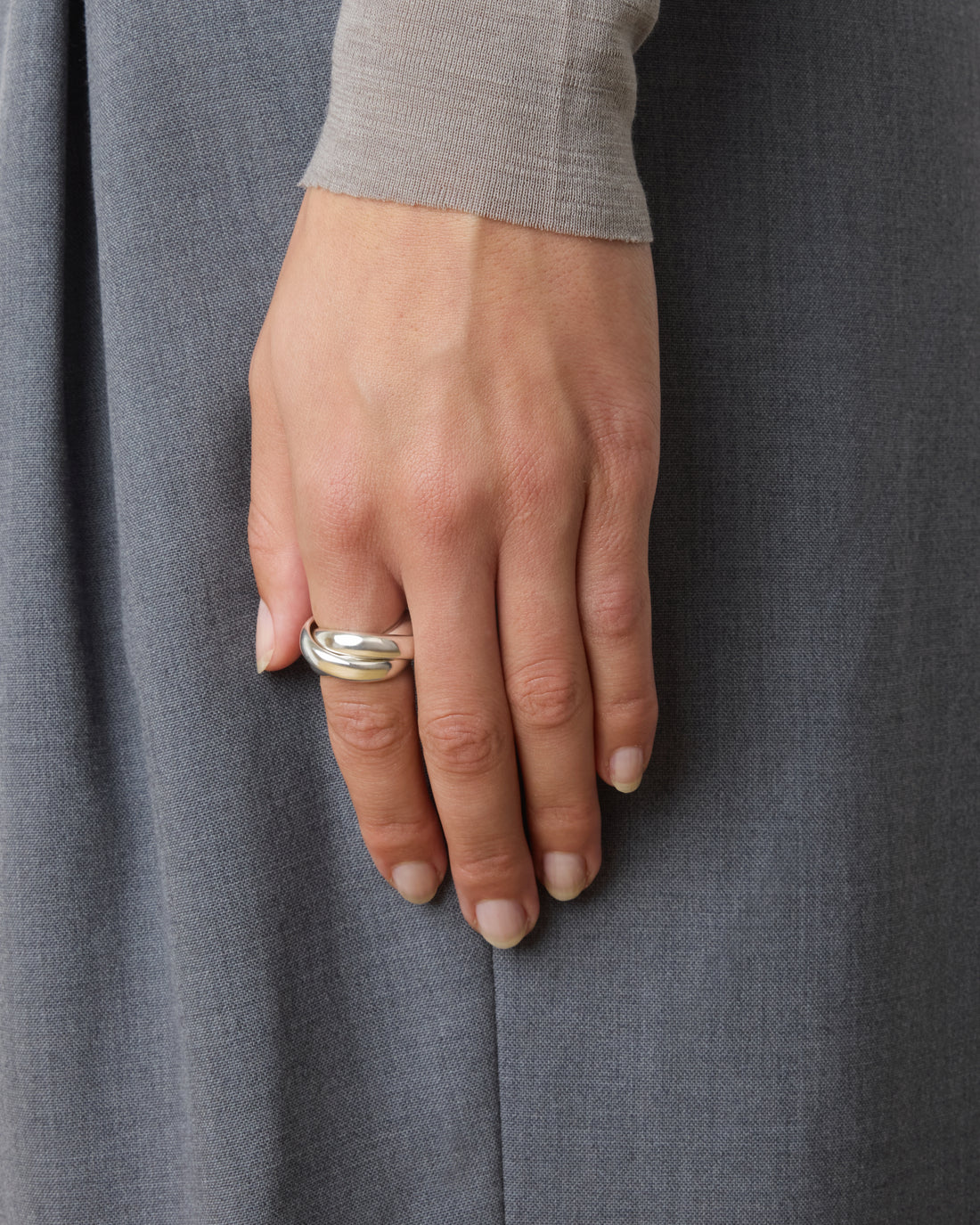
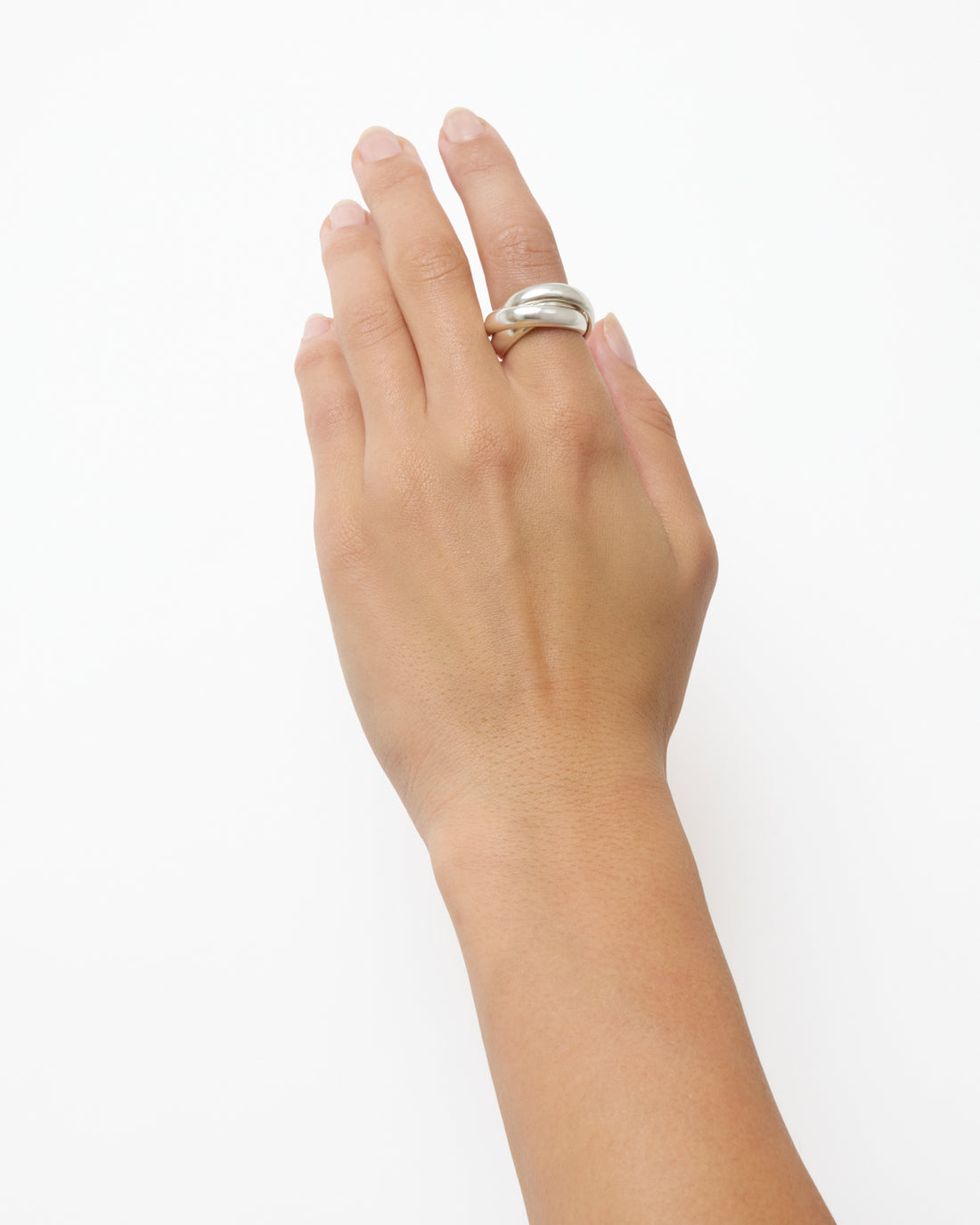
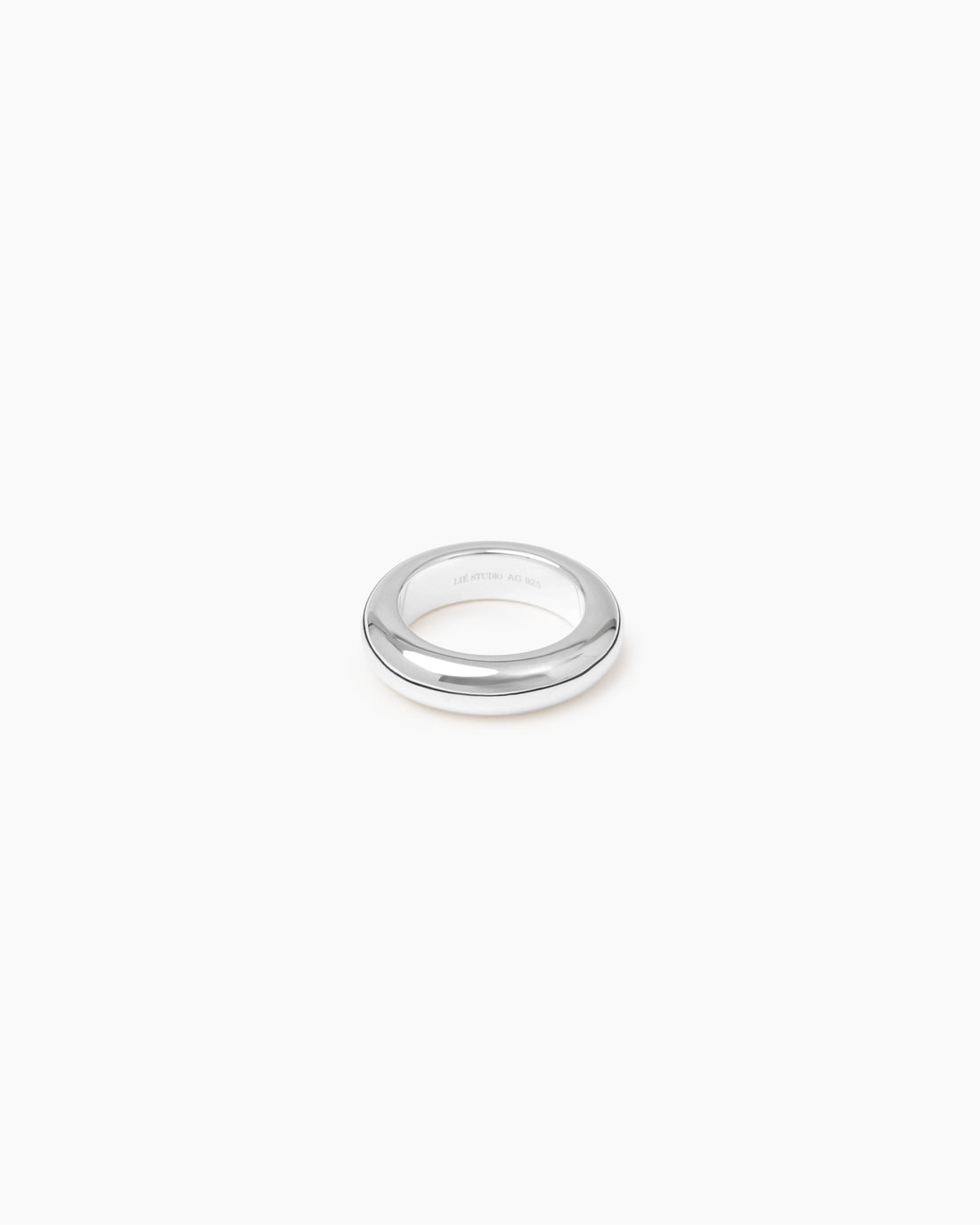
The Sofie Ring
Regular price $370.00 USDRegular priceUnit price per -
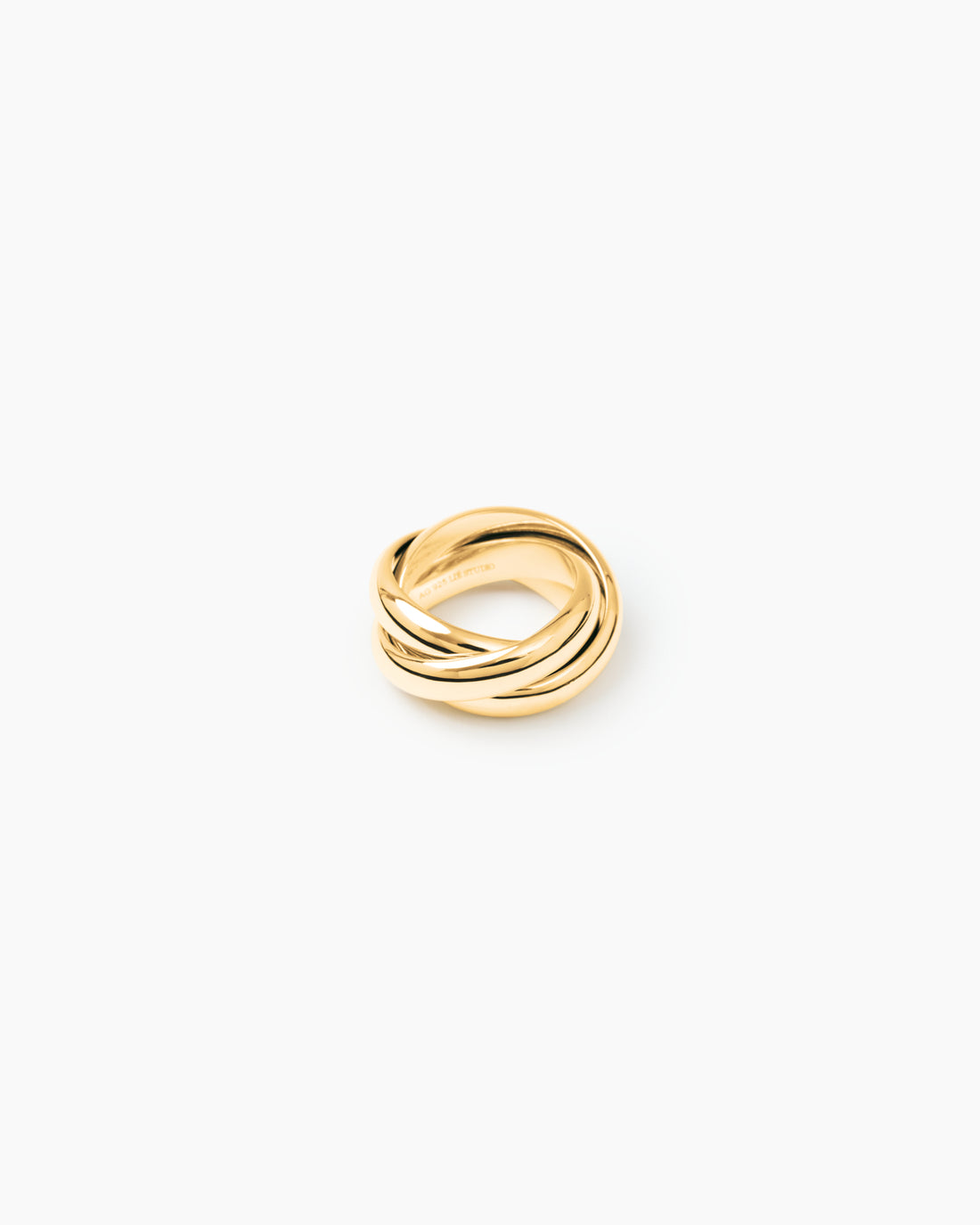
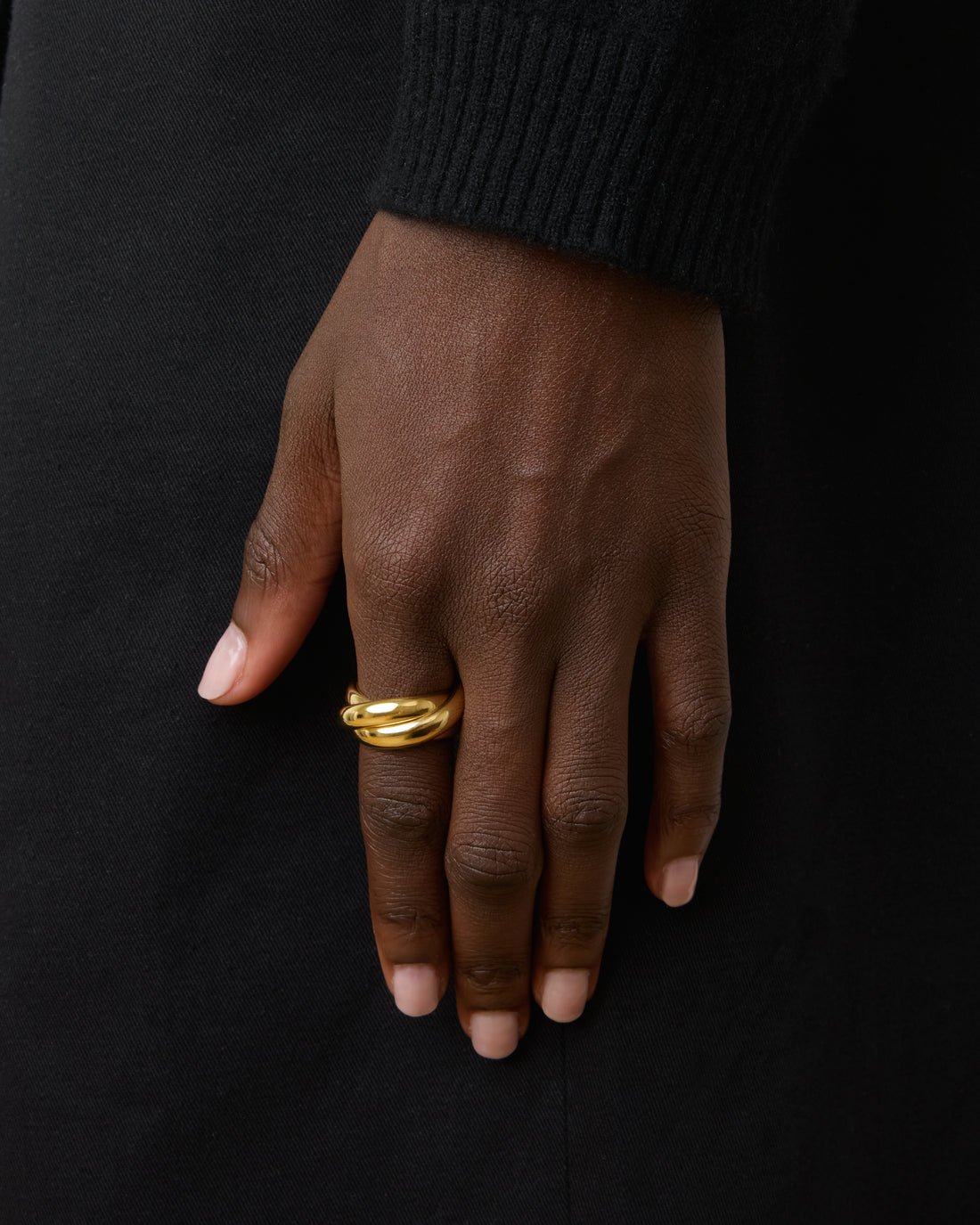
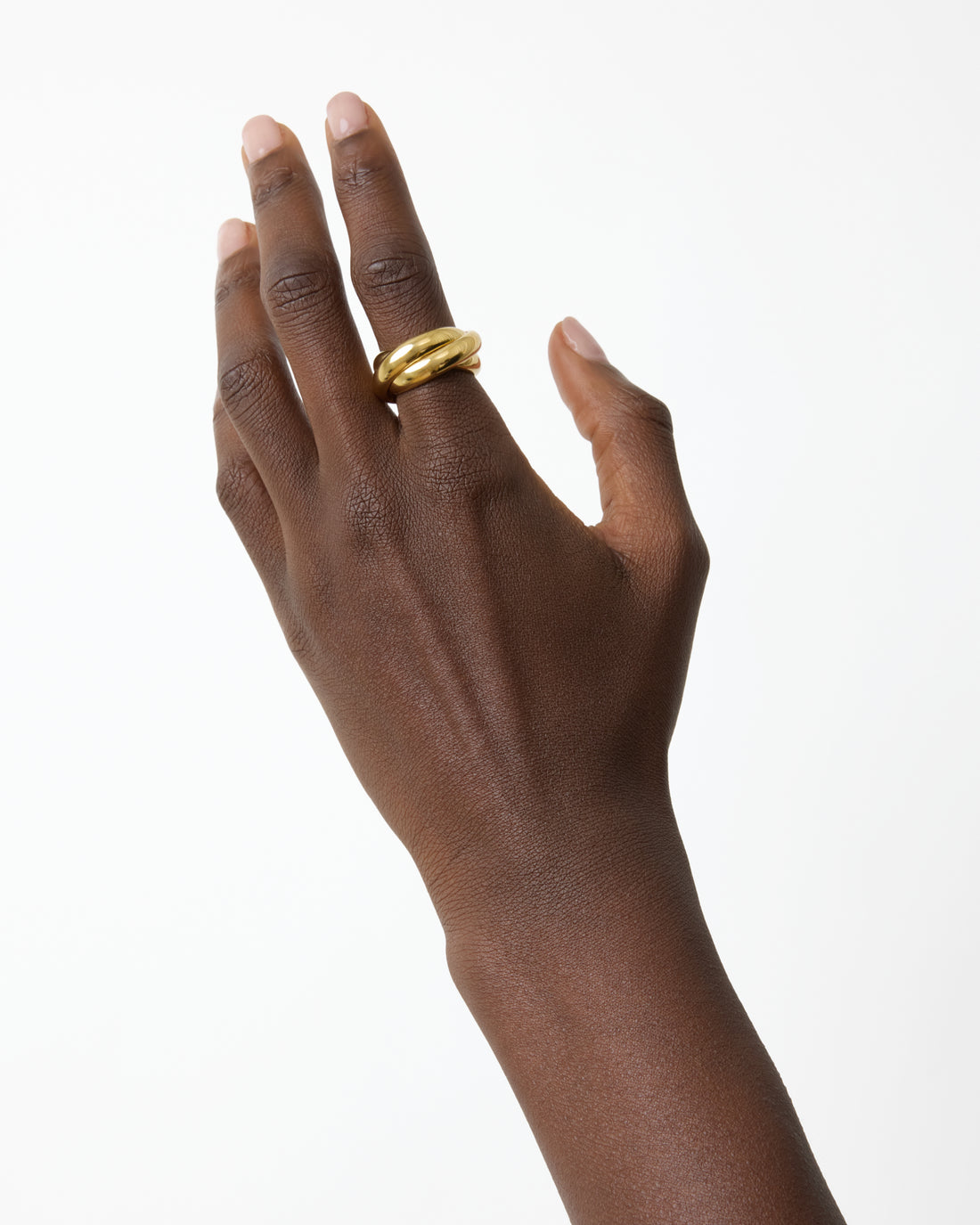
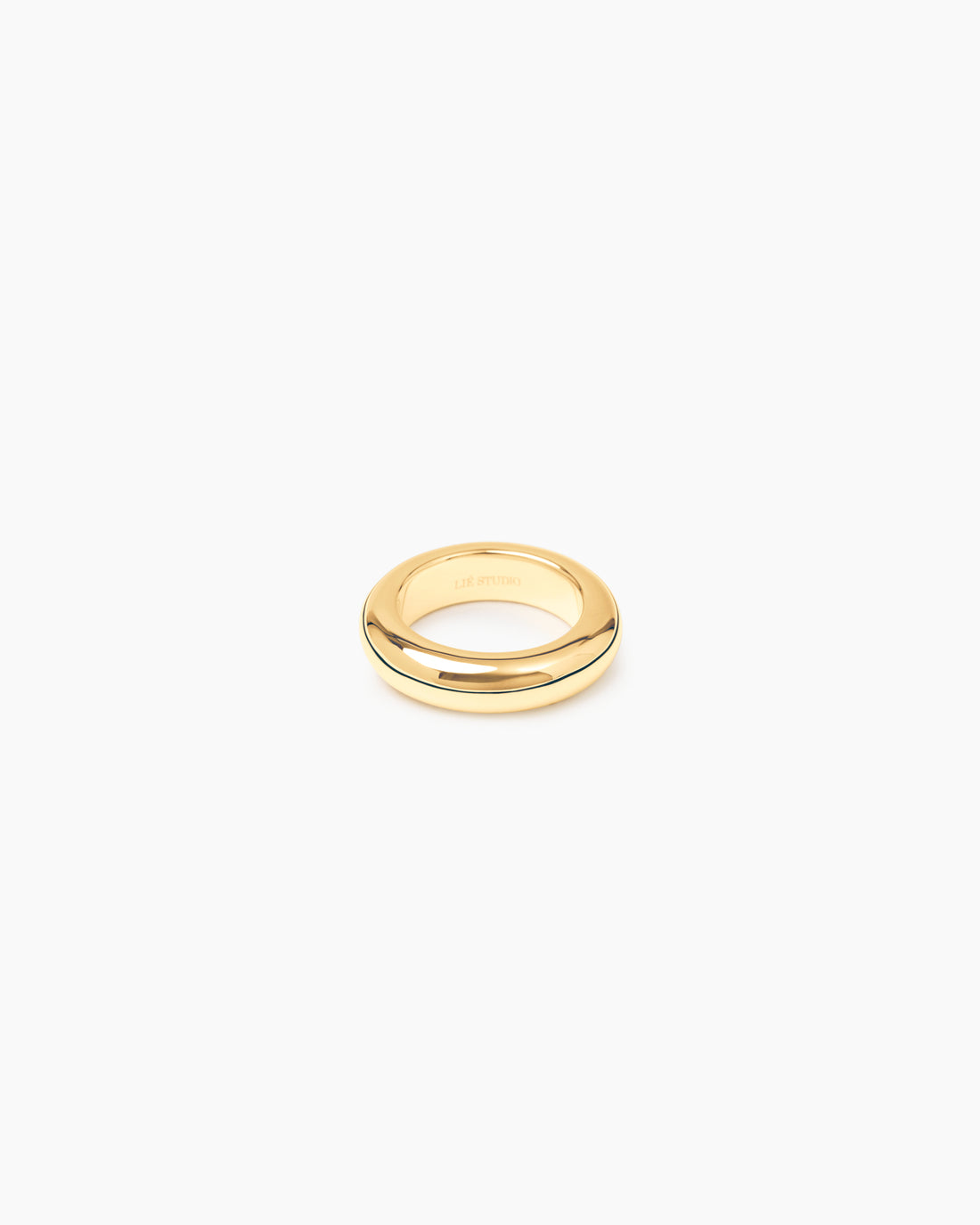
The Sofie Ring
Regular price $450.00 USDRegular priceUnit price per -


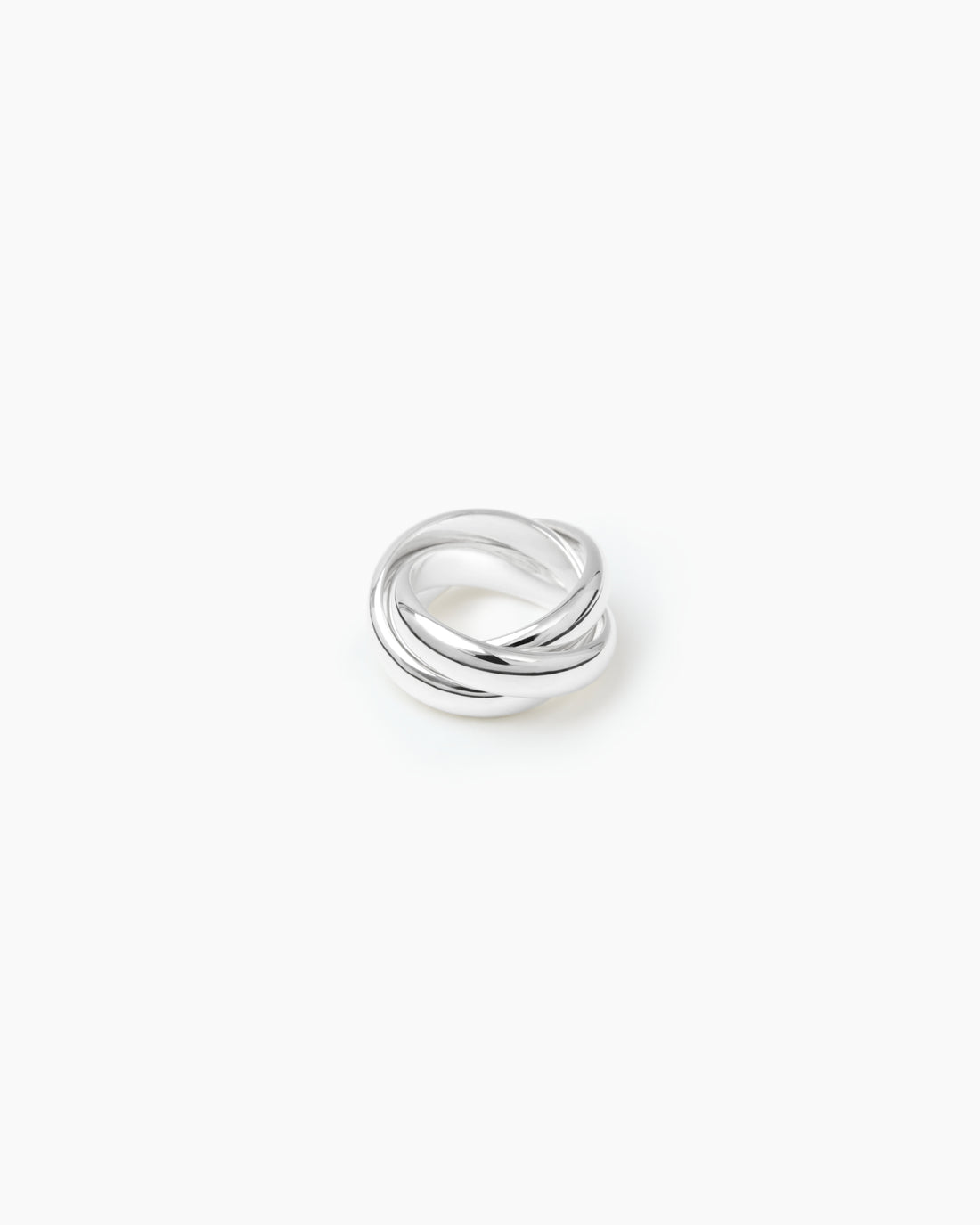
The Leah Ring
Regular price $310.00 USDRegular priceUnit price per -
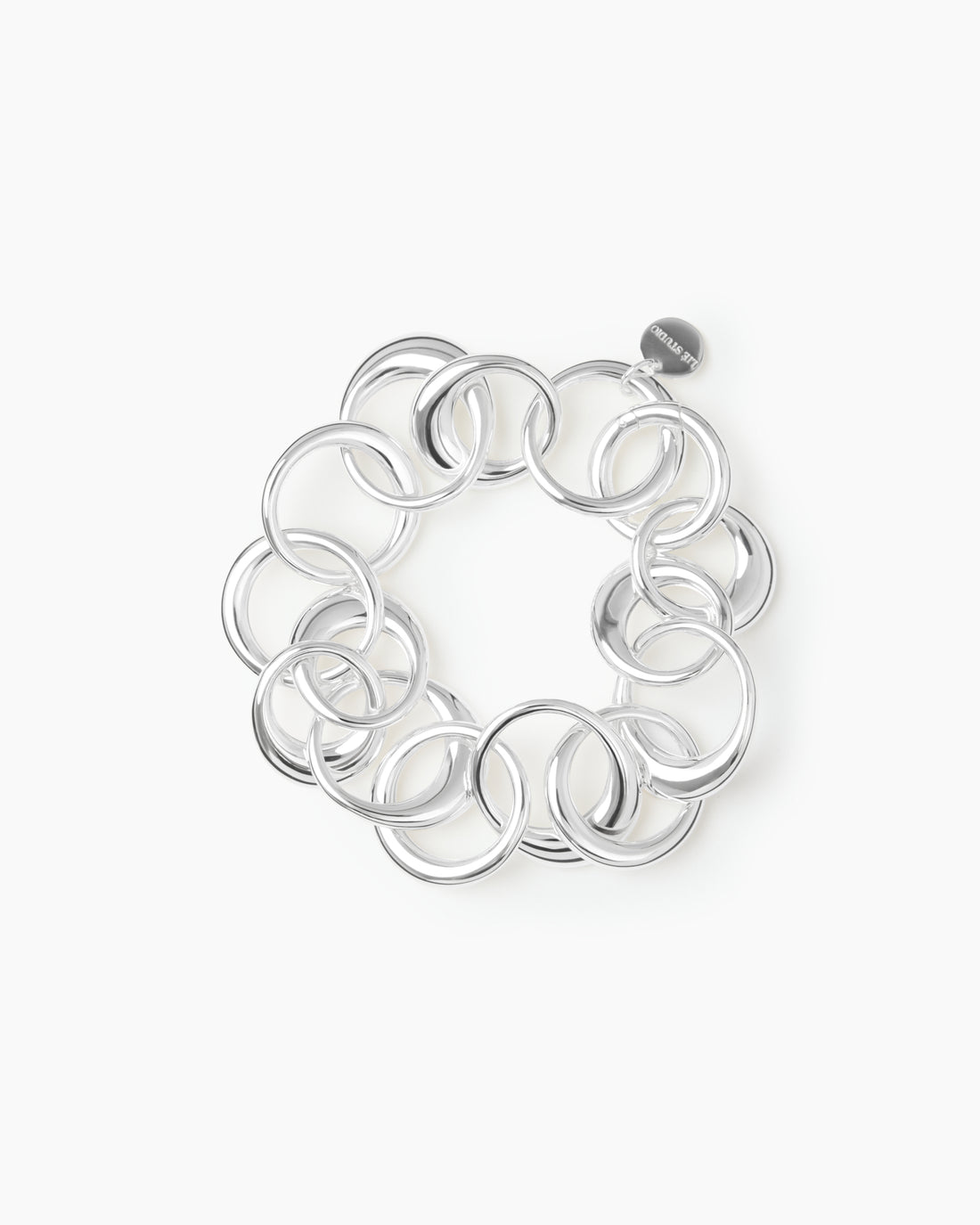
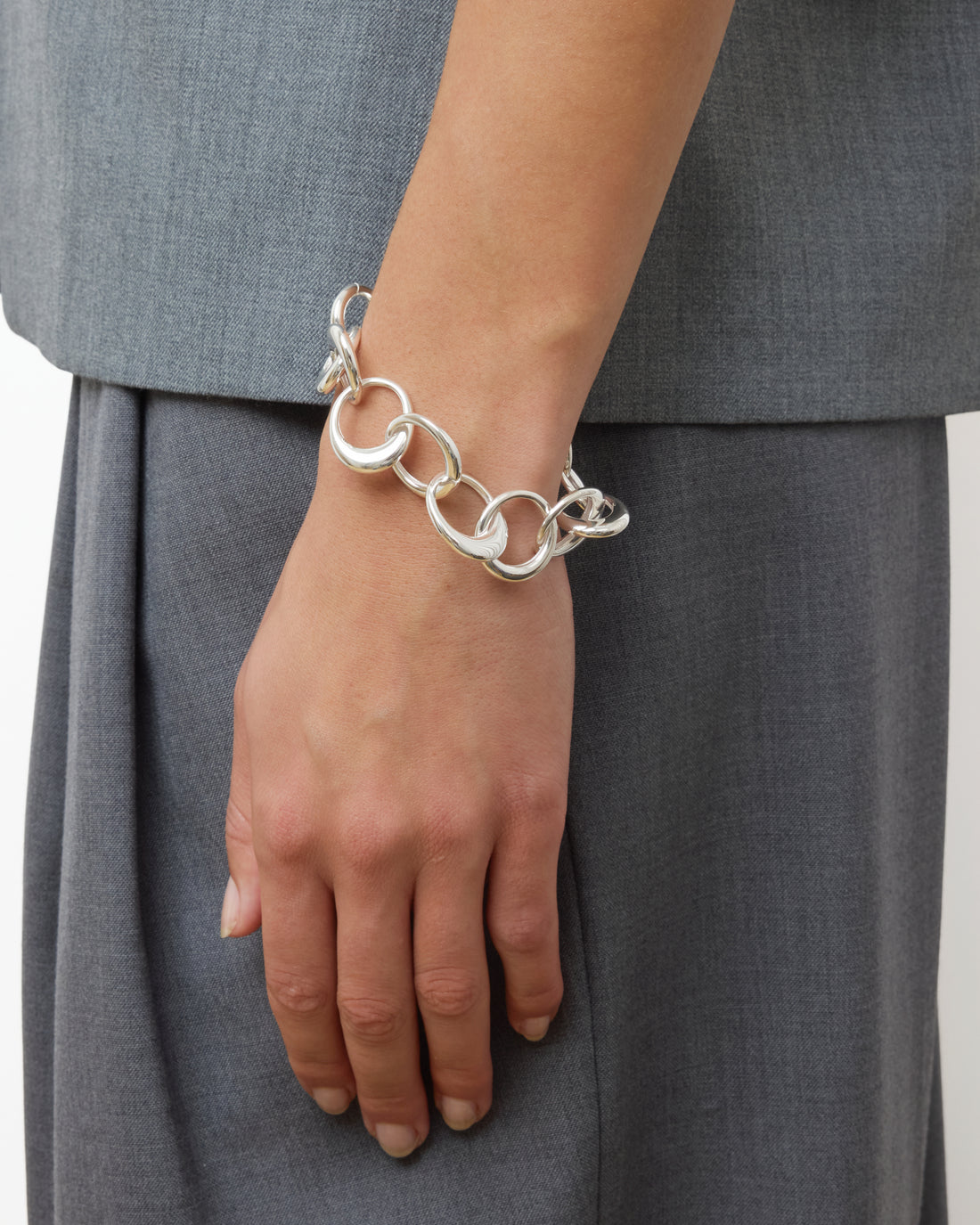
The Laura Bracelet
Regular price $510.00 USDRegular priceUnit price per -
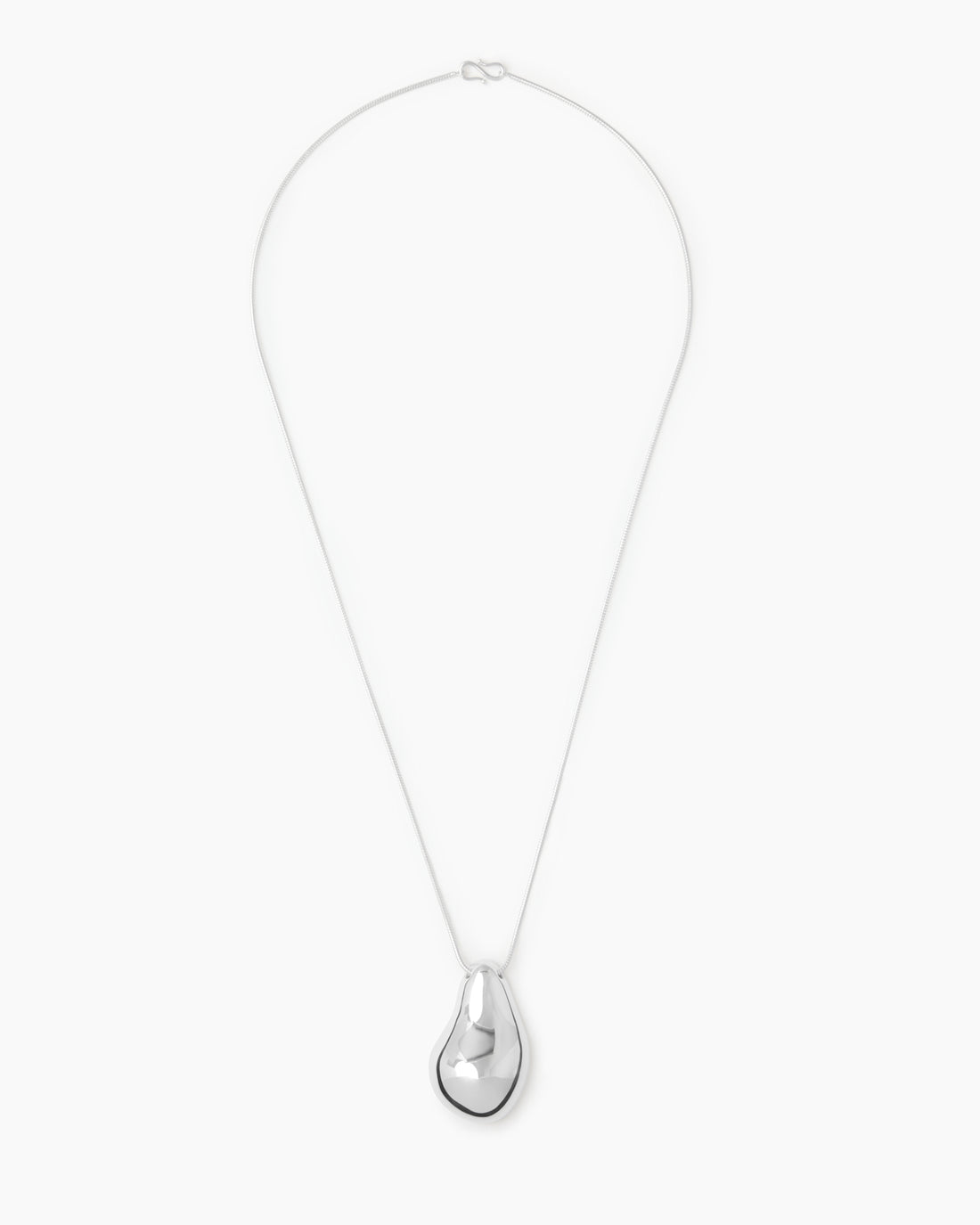

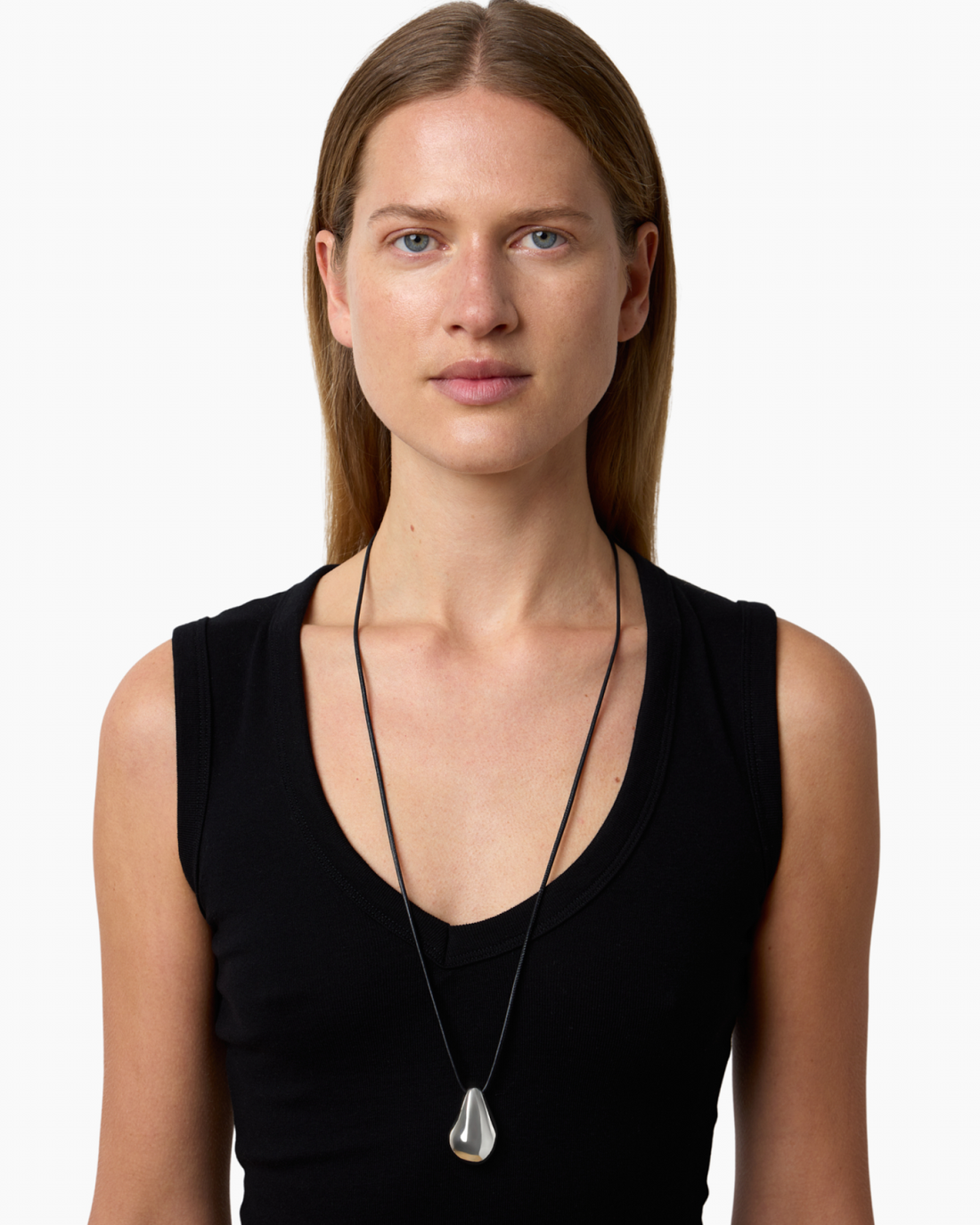
The Betty Necklace
Regular price $500.00 USDRegular priceUnit price per -
The Evie Ring
Regular price $270.00 USDRegular priceUnit price per -
The Grace Tote
Regular price $800.00 USDRegular priceUnit price per -
The Evie Ring
Regular price $340.00 USDRegular priceUnit price per